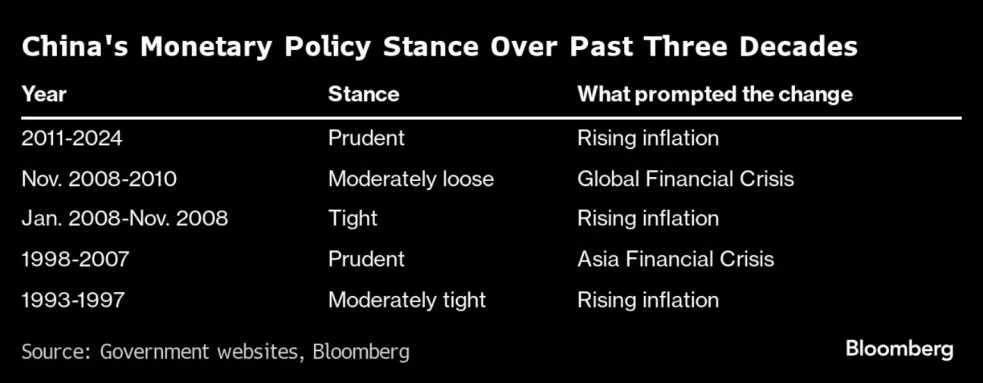
Yesterday's Politburo meeting emphasized aggressive macro policy adjustments for 2025, including a "more proactive" fiscal policy and "moderately loose" monetary policy to boost growth and stability. The meeting stressed adhering to the general principle of seeking progress while maintaining stability, expanding domestic demand across the board by boosting consumption and improving investment efficiency, and highlighting the importance of integrating technological innovation with industrial innovation.
Additionally, the meeting focused on risk prevention and livelihood protection, proposing to effectively resolve risks in key areas to prevent systemic risks, and to increase efforts to ensure and improve people's livelihoods to enhance their sense of gain and happiness. It also set goals for accelerating the green transformation of economic and social development, and for strengthening the implementation of regional strategies to enhance regional development vitality, all aimed at achieving high-quality economic development and completing the goals of the 14th Five-Year Plan.
The phrasing of a "more proactive" fiscal policy and "moderately loose" monetary policy is the first in over a decade, indicating that the stimulus intensity will be the largest in many years.
After the meeting's release, Hong Kong stocks surged sharply, and US-listed Chinese asset tracking indices also jumped significantly, showing that the market was relatively receptive to the meeting's outcome.
However, the bond market did not seem to buy the equity market's logic.
This morning, Chinese government bond yields continued to decline.
According to Bloomberg research, analysts at TF Securities, Zheshang Securities, and Standard Chartered Bank predict the 10-year yield will fall to a low of 1.5%-1.6% by the end of 2025.
The market's Tuesday performance contrasted sharply with the reaction to the stimulus package in late September, squeezing market expectations that investors would shift from fixed income to equities. Since late November, traders have begun to shed those concerns and rebuild bond long positions, aided by economic data and the central bank's increased liquidity injections to buffer government bond supply.
Some Wall Street analysts expect significant rate cuts next year to boost the economy and curb current deflation.
Current policy needs to boost domestic demand, stabilize the economy, and address the persistent downturn in real estate, while also overcoming the 0.5% GDP impact from tariffs after Trump's election next year. One concern hindering more aggressive rate cuts is that if China's interest rate gap with other countries widens, it could lead to capital flight. However, this risk diminishes if the Fed continues to lower US borrowing costs. The Fed began monetary easing in September and is expected to cut rates again later this month. "China may raise its budget deficit to the highest in 30 years and implement the largest rate cuts since 2015 as stimulus signals. For years, policymakers have forecast a deficit target possibly reaching 4% of GDP, a level not seen since 1994. Previously, China kept its budget deficit ratio below 3%." Source: Bloomberg
Risk Disclosure: The views in this article are for reference only and do not represent any investment advice. Market risk exists; invest with caution.
Like, reply "24Q4" for the Bloomberg report. Interested? Follow for more.

专注投资分析、市场洞察与资产配置。不追短期波动,只理解真正驱动长期回报的东西。