If Nvidia is the engine of the AI era, Micron just proved to the world that without memory, that engine can't run for a second.
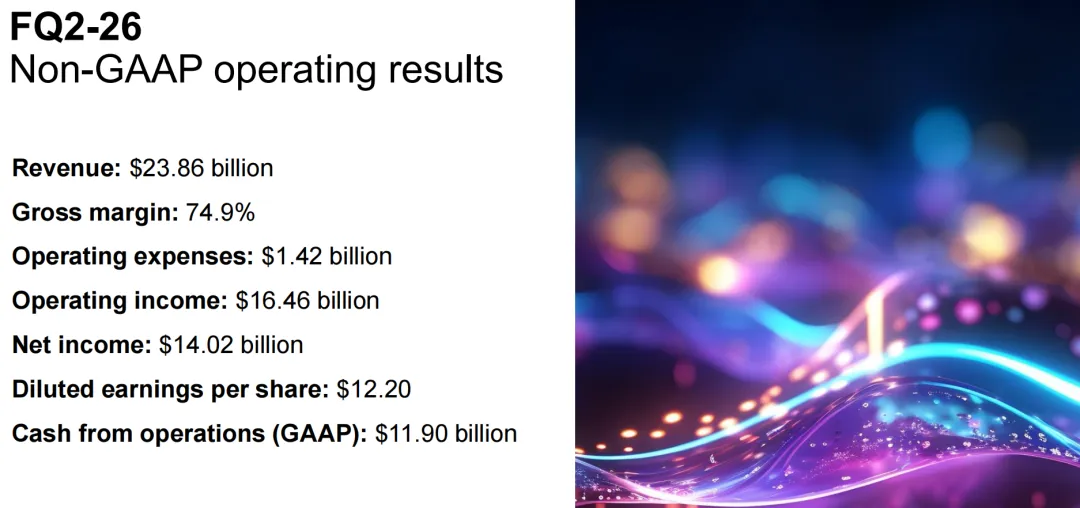
In its just-released FQ2 2026 earnings, Micron dropped a number that left Wall Street gasping: the company guided FQ3 revenue to $33.5 billion, which not only implies 40% sequential growth, but means that single quarter's revenue will exceed the full-year total of any year in Micron's history before FY2024.
The memory industry is no longer a cyclical sideshow that drifts with the tide. It is now seizing pricing power in the second half of AI with near-brutal force.
1. The Paradigm Shift in Memory: From Component to Strategic Asset
The situation: In the past, memory was an accessory for PCs and phones. Now, memory is the boundary of AI compute. Hard evidence: The earnings deck shows that AI demand will push the combined data center TAM for DRAM and NAND to exceed 50% of the total industry for the first time in 2026.
Micron's CEO stated bluntly: "AI is not just increasing demand; it is fundamentally reshaping memory, making it the defining strategic asset of the AI era." This shift has led to a qualitative change in supply models. Micron announced it signed its first five-year strategic customer agreement (SCA). Downstream giants, terrified of supply disruptions, are abandoning spot-market gambling and locking in long-term capacity. The winners are those with advanced process technology like Micron; the losers will be second-tier players unable to enter the HBM4 supply chain.
2. The Gross Margin Miracle: How 81% Is Achieved
The situation: Micron guided next quarter's gross margin to an astonishing 81%, with revenue and profitability completely blowing up. Hard evidence: The earnings report shows that FQ2 DRAM ASP surged over 60% sequentially, and NAND ASP surged over 70%. Even more striking, Micron has already started mass production of HBM4 (12-layer, 36GB), designed specifically for Nvidia's Vera Rubin architecture. This "Davis Double Play" stems from HBM's severe crowding out of general capacity. Producing 1GB of HBM requires far more wafer area than standard DRAM. This "structural shortage" means that even if downstream demand slows slightly, memory prices are unlikely to crash, because capacity is physically locked into high-end AI product lines.
3. The Capital Bet: $25 Billion and the Infrastructure Frenzy
The situation: Facing a supply-demand gap, Micron has launched an unprecedented capacity expansion. Hard evidence: The report raised FY2026 CapEx guidance to over $25 billion and flagged an additional $10 billion in construction-related spending for FY2027. From Idaho to New York, from Hiroshima to Singapore, Micron is building fabs globally at a breakneck pace. This scale of investment signals the certainty of a long AI cycle. Micron is betting that by the time these fabs are completed in 2027, humanoid robots and edge AI will be booming. This is not a simple inventory restocking; it is building the physical foundation for an "AI-everything" world.
Risk disclaimer: The views in this article are for informational purposes only and do not represent any investment advice. Market risk exists; invest with caution.


专注投资分析、市场洞察与资产配置。不追短期波动,只理解真正驱动长期回报的东西。